Introduction
Artificial intelligence is evolving rapidly, and AI agents are becoming an important part of modern technology. Unlike traditional AI tools that mainly respond to individual prompts, AI agents can work toward defined goals, use connected tools, and perform multi-step tasks with varying levels of human supervision.
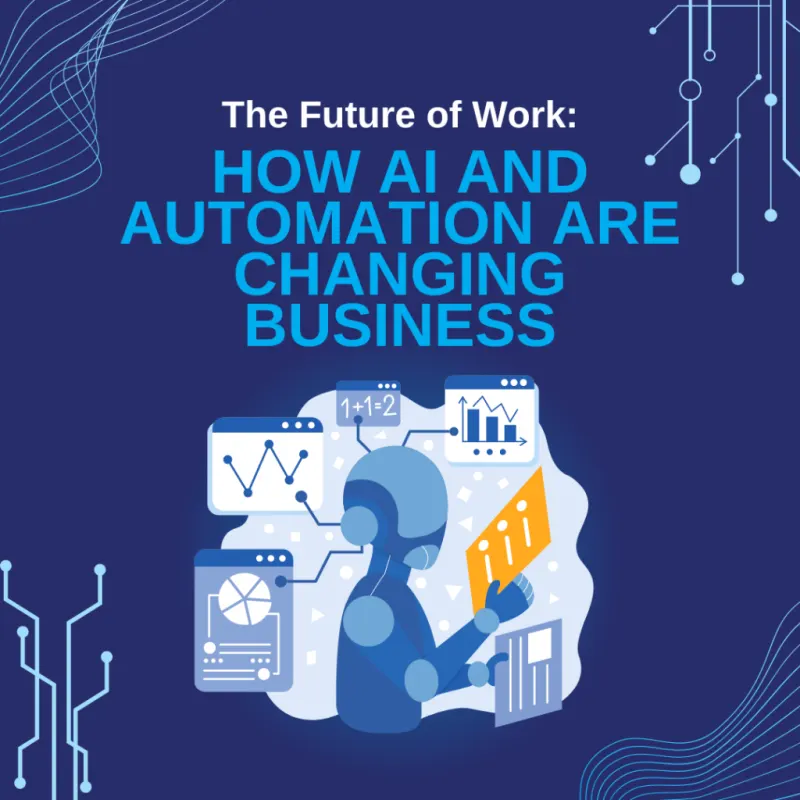
In 2026, businesses and software development teams are exploring how AI agents can improve productivity, automate repetitive work, and simplify complex workflows.
What Are AI Agents?
AI agents are software systems designed to understand objectives, make decisions within defined limits, and take actions using available tools and data.
Depending on their configuration, AI agents can help users manage information, analyze data, generate code, test applications, answer customer questions, and coordinate business processes.
For example, a software development agent might review a task, suggest a code change, run tests, and prepare a summary for a developer to review.
Key Benefits of AI Agents
1. Improved Productivity
AI agents can handle repetitive and time-consuming tasks, allowing employees to focus on planning, problem-solving, and creative work.
2. Faster Software Development
Development teams can use AI agents to assist with code generation, debugging, documentation, test creation, and code reviews. Human developers remain responsible for validating the results.
3. Business Process Automation
Businesses can explore AI agents for invoice processing, report preparation, customer support, data entry, and internal workflow management.
4. Better Data Analysis
When connected to authorized data sources, AI agents can help summarize large datasets, identify patterns, and prepare insights that support decision-making.
Real-World Applications of AI Agents
AI agents have potential applications across several industries:
- Software development: Assisting with coding, testing, debugging, and documentation.
- Finance: Helping categorize transactions, prepare reports, and flag unusual activity for review.
- Healthcare administration: Supporting appointment scheduling and administrative documentation.
- E-commerce: Answering product questions and assisting with order-related workflows.
- Customer service: Classifying support requests and suggesting relevant responses.
- Education: Helping learners understand topics and organize study materials.
The level of automation depends on the quality of the system, available integrations, and the safeguards established by the organization.
Challenges and Risks
Despite their benefits, AI agents also introduce important challenges. They may generate incorrect information, misunderstand instructions, or take inappropriate actions if permissions and controls are poorly designed.
Organizations should consider data privacy, cybersecurity, operating costs, accuracy, and accountability before deploying AI agents.
Important safeguards include limiting access to sensitive information, testing outputs, maintaining audit logs, and requiring human approval for high-impact actions.
How Businesses Can Get Started
Businesses interested in AI agents can begin with a small, well-defined workflow.
First, identify a repetitive task that consumes significant time. Next, select an appropriate AI tool and connect only the data and services it needs. Test the system using realistic scenarios, measure its accuracy and time savings, and establish clear rules for human review.
Once the workflow demonstrates reliable results, the organization can consider expanding its use gradually.
The Future of AI Agents
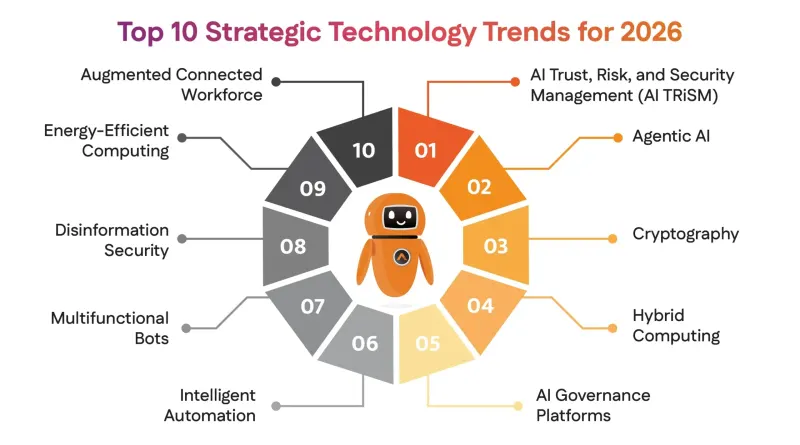
AI agents are becoming an important area of technology development in 2026. The focus is shifting from isolated AI assistance toward systems that can coordinate multiple steps of a workflow.
Future developments may improve collaboration between specialized agents, integration with business applications, and the ability to complete complex tasks under human supervision.
However, successful adoption will depend on more than automation alone. Reliable results, security, transparency, and human oversight will remain essential.
Conclusion
AI agents offer new opportunities to improve productivity, simplify software development, and automate business operations. Their value comes from applying them to practical problems with clear objectives and appropriate safeguards.
For businesses and developers, the best approach is to start small, evaluate measurable results, and expand responsibly as the technology matures.
As AI continues to evolve, organizations that combine intelligent automation with human expertise will be better positioned to adapt to the changing technology landscape.